HOW TO LOOSE YOUR WEIGHT EFFECTIVELY : 7 TIPS FOR SHORT TERM WEIGHT LOSS😍

Cutting weight may not be the best technique to achieve long-term weight loss objectives, but if you’re wanting to decrease body fat and gain muscle mass in preparation for a 2-4 month event, a cut may be a viable option.
WHAT IS HEAVY WIGHT CUTTING
The process of purposely decreasing weight in preparation for a competition or event is known as cutting weight. When someone says they’re in a “cutting phase” of training, they’re usually referring to a period of training that necessitates certain nutritional and exercise interventions in order to maximise muscle mass while reducing body fat.
Bulking or clean bulking is the polar opposite of cutting weight
WHO! SHOULD CUT THE WEIGHT 🧐
What used to be a practise designated for bodybuilders or athletes in weight-class sports is now a practise adopted by anyone trying to achieve a specific body composition in preparation for an event, a trip, or a vacation. To be effective and safe, weight loss usually takes 2 to 4 months of constant commitment to individualised nutrition and fitness routines.
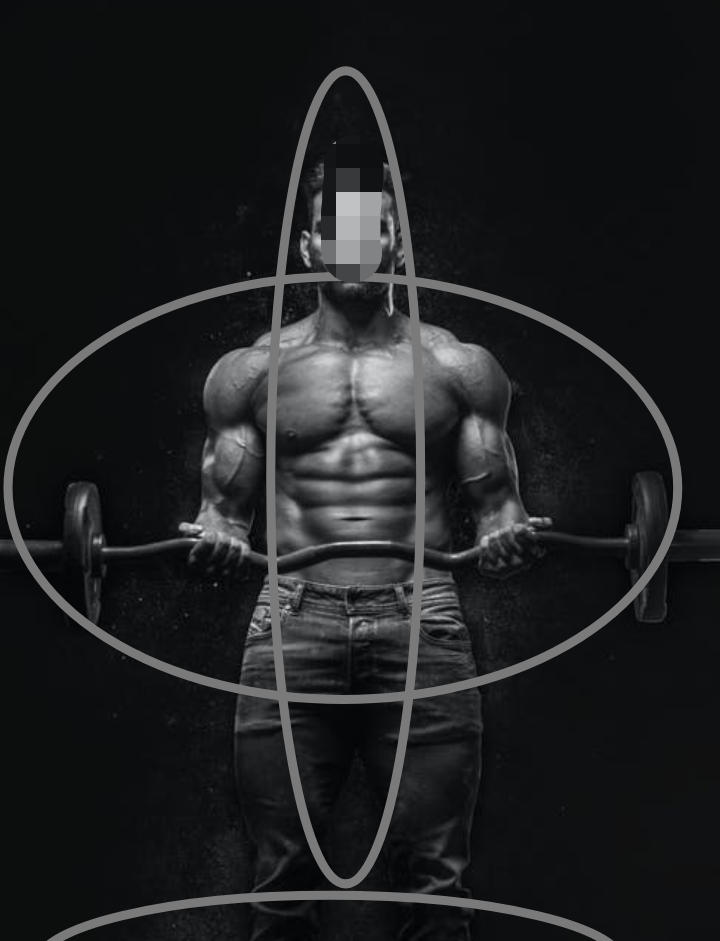
HOW TO CUT Ur WEIGHT. 👉7 TIPS FOR SUCCESS
TIP#1 👉 SET YOUR GOAL
- What exactly do you aim to achieve?
- Measurable: What will you use to gauge your success?• Action-oriented: How will you achieve your objective?
- Realistic: Will you be able to achieve your goal in the time allotted?
- Time-bound: When do you want to finish? Depending on where you’re starting, give yourself 2-4 months
Setting a SMART goal will assist you in creating an action plan (i.e., the nutrition and workout plan that will help you reach your ideal body fat percentage goal).
TIP#2👉 TRACK YOUR PROGRESS
Cutting needs laser-like focus, and tracking your behaviours is one of the most effective methods to stay on track with your strategy. There are a plethora of nutrition and fitness tracking devices and apps available, so select one that suits your needs and stick to your plan. If you’re not seeing the results you think you should be seeing after 2-3 weeks of following to your strategy, it’s time to re-evaluate and make tiny tweaks.
NASM includes a number of calculators, that may provide you with information on a range of parameters.
TIP#3: 👉SCHEDULE OF YOUR WORKOUTS
Nothing is as ineffective as an exercise that never takes place. If you’re not used to sticking to a regular training routine, scheduling your sessions (with a trainer or by yourself) can help you stay on track.
One simple method to make your workout a priority is to schedule it first (before other events and activities) and to make sessions non-negotiable. Prioritize your workouts while planning your week’s schedule so that everything else falls into place behind them.
TIP#4: 👉 MEAL PREPARED/ PLAN AHEAD
When you cook your own meals, it’s much easier to stick to a meal plan. Choose a day each week to prepare meals ahead of time. You can even measure out your servings for each meal and put them into containers so that they may be “grab and go” dinners throughout the week if you’re feeling fancy. Meal prepping for 1-2 hours on the weekend will save you a lot of time and work during the week!
If you know you’ll be eating out a few times, do your homework ahead of time to figure out what you’ll order. This will allow you to check the calorie count on menu items, make any necessary substitutions (such as dressings/sauces on the side or steamed veggies instead of a starchy side), and avoid the stress of having to make those selections at the table with other people.
TIP#5 👉 TRAIN TO BUILD YOUR MUSCLES
Maintaining muscle mass amid a calorie deficit is one of the aims of a cutting phase. The greatest approach to achieve this goal is to engage in muscle development training. (Note: Muscle Development is Phase 3 of the OPT Model, so Phases 1 and 2 should be completed before moving on to this more advanced training phase.)
You’ll do 6-12 reps of each exercise for 3-6 sets with 0-60 seconds of rest between exercises in Phase 3: Muscle Development Training. Strength training should be done 3-4 times per week to maintain muscular mass, with a split regimen on any back-to-back training days to avoid overtraining.
TIP#6 👉 INSURE AND MAXIMIZE YOUR DAILY CALORIE BURN
Any weight-loss programme must include a calorie deficit. You can enhance your overall calorie burn by increasing mobility throughout the day, in addition to your nutrition and strength training.
This can be accomplished by keeping track of your steps (see how many you take on an ordinary day and establish a goal to raise it by 5-10%), getting up for a few minutes every 30 minutes sat, taking the stairs rather than the elevator, and so on. Without adding an extra workout, these tiny tweaks can help you burn hundreds of calories per day.
Tip#:7👉 USE TO DRINK PLENTY OF WATER
Increasing your water consumption will aid in the removal of extra water weight, keep you hydrated (duh! ), and may help you avoid false hunger pangs. For girls, aim for 11.5 cups per day and 15.5 cups for guys.
INTAKE OF CALORIES, PROTEIN, CARBS, AND FAT FOR SUCCESSFUL WEIGHT LOSS
Select a calorie range that will enable you to shed pounds. You should lose 5% to 1% of your body weight per week (if you weigh 150 pounds, you should lose.75-1.5 pounds per week). You should ingest 1-1.4 g of protein per pound of body weight to maintain muscle mass while on a calorie-restricted diet. If you weigh 150 pounds, you should aim for 150-210 grammes of protein.
Then, depending on your own preferences and the results you see, set a fat aim of 15-30%. Finally, carbs should make up the majority of your remaining calories. For best outcomes, eat four evenly spaced meals each day.
WHICH ARE THE BENEFITS OF CUTTING FOR SHORT-TERM WEIGHT LOSS?👻
Cutting keeps you focused on a more rigorous exercise and eating plan than you might stick with in the long run. You’ll see results because it’s more stringent. The results are just transitory because you won’t be in a calorie deficit for the rest of your life (which I also don’t suggest). However, this is a safe and effective method of achieving the physique you desire for an approaching event or competition.
IS IT SAFE TO LOSE WEIGHT?🤔
When you try to drop too much weight too rapidly, cutting weight becomes risky. Weigh-ins are required before some sports, such as wrestling, to determine weight class.
To optimise weight reduction, some athletes use risky measures such as diuretics, diet pills, sweat suits, and purposefully dehydrating themselves (Barley, Chapman & Abbiss, 2019). Techniques like this are dangerous and should not be used. Over the course of 2 to 4 months, a progressive, well-planned weight loss can be both safe and beneficial.
 Health and fitness